// Tabletop Role-Playing Game
A dark, atmospheric post-apocalyptic tabletop RPG where survival is negotiated as often as violence. In Saprophages, Earth chokes beneath a toxic sky and humanity is split between orbit and the ruins.
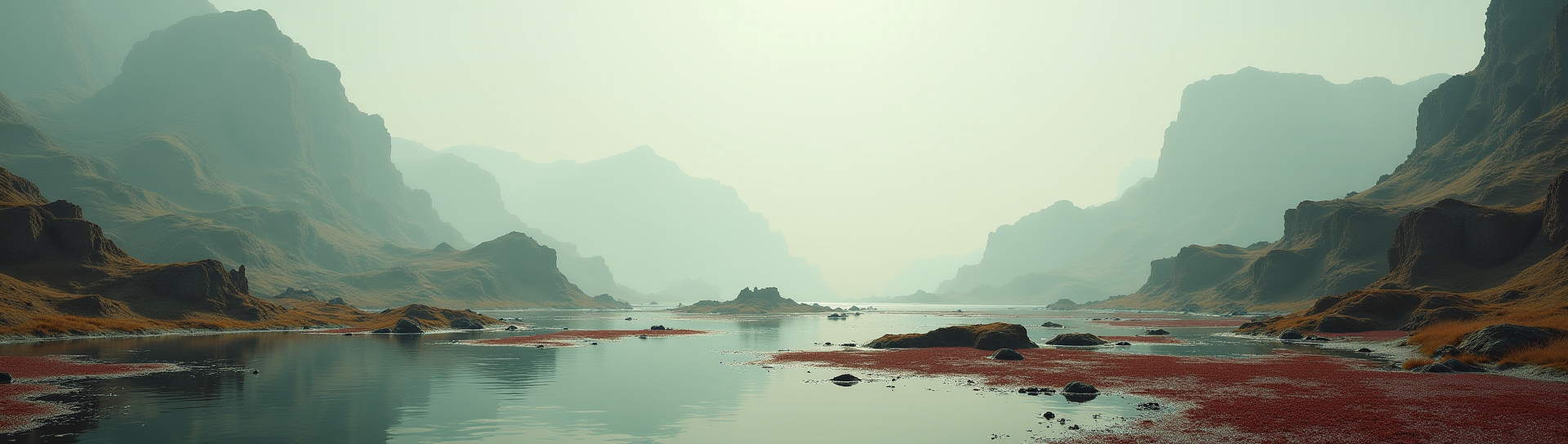
A red, toxic world of ruins, silence, forbidden zones, and nature turned predatory again. Horror comes as much from the environment as from the people clinging to it.
Ensi are deployed to secure, infiltrate, extract, or establish positions. Every descent to the surface is an operation to prepare, execute, and pay for, with lasting consequences.
Between the Abandoned, the Enochians, and the remnants of automated systems, Earth is not empty: it is contested. Alliances are unstable, propaganda is everywhere, and violence is never the only way out.
A simple, tense system (D12 + D8) that pits mastery against chance and encourages hard choices. Characters do more than advance: they adapt, augment themselves, and compromise to keep going.
Saprophages takes place in 2189, after an irreversible ecological collapse. For decades, humanity tried to preserve the last fragments of biodiversity through technology, but this resurgence came too late: thousands of species disappeared and the global balance broke down. Rising temperatures triggered a massive proliferation of saprophagous algae in the oceans. Feeding on decomposing organic matter, they accelerated the suffocation of the seas and saturated the atmosphere with hydrogen sulfide, a toxic gas. The oceans turned dark red, soon nicknamed the “Purple Plague” by survivors. Coastal areas were the first to be submerged, marine life collapsed, the air became unbreathable, and populations fled to higher ground, causing chaotic migrations, conflicts, and the fall of states. Unable to stop the catastrophe, the scientific, political, and economic elite took refuge in a colossal orbital station: Duranki, “the Axis Between Heaven and Earth.” Designed as a sanctuary, Duranki preserves what can still be saved: DNA banks, civilisational archives, strategic technologies, and a fraction of humanity. Fifty years later, the station is overcrowded, resources are dwindling, and internal tensions have erupted into open crisis. A new ruler has emerged: Enlil, Emperor of Duranki. His response is radical: send agents back to Earth to regain control of the ground and prepare a rebirth at any cost.
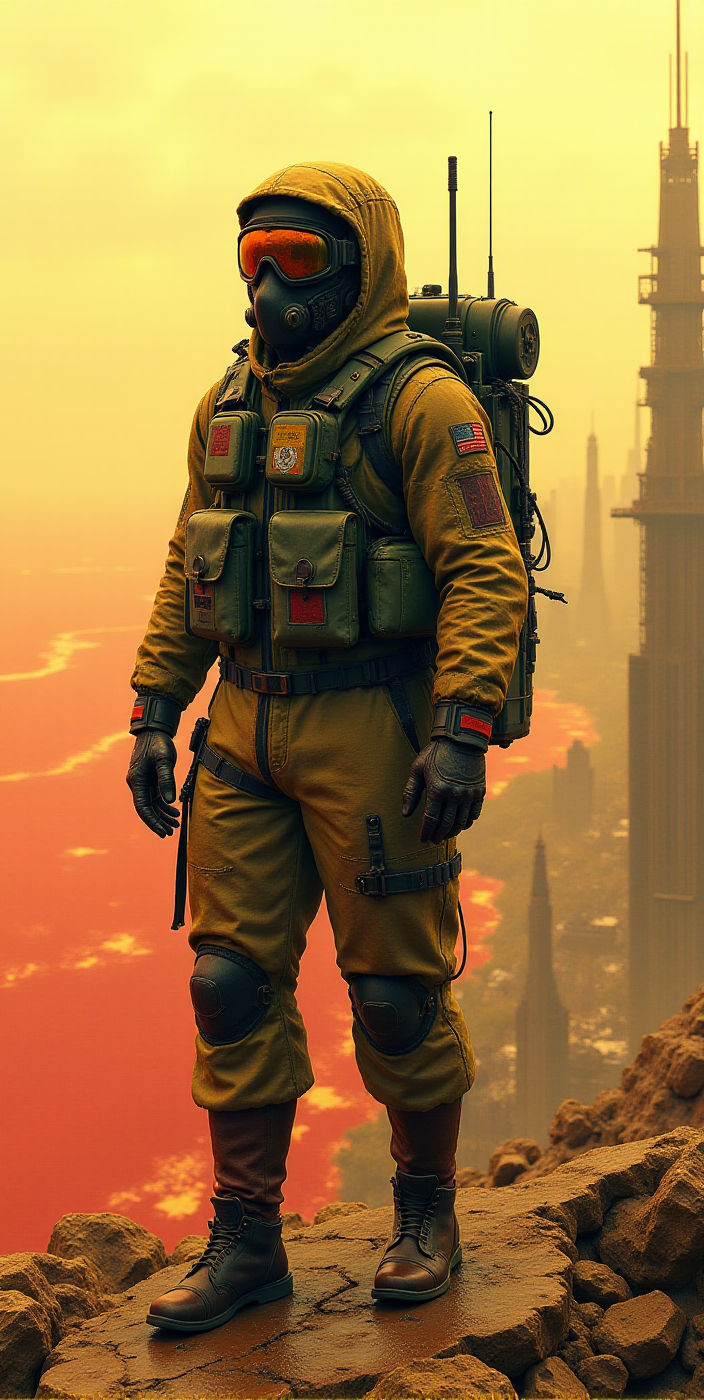
Players portray Ensi, a term from ancient Mesopotamia meaning governor-warrior that, in the Empire of Duranki, became the title of Enlil’s servants sent to the ground. Ensi are not mere soldiers: they are versatile operatives able to explore, negotiate, investigate, secure, and strike. Their missions include recovering pre-collapse technologies, capturing living specimens, establishing outposts, scouting contaminated areas, infiltrating hostile groups, and neutralising autonomous threats. They operate with an advanced survival arsenal modular suits, implants, and onboard computer assistance but technological superiority never guarantees victory in an unpredictable world. On Earth, Ensi face a hostile ecosystem and a mosaic of competing forces: animals gone feral again and adapted to toxic air; the Abandoned humans who remained on the ground, organised into underground castes or nomadic tribes; unrestrained androids from sabotaged old programmes; and automated laboratory systems, including drones, defences, and derivative AIs, often corrupted or deranged. Added to this is a constant adversary: the environment itself, with deadly gas pockets, submerged cities, devouring forests, and roads leading to ruins that are still active. Saprophages focuses on atmosphere and difficult choices: obey Duranki, work with those who survived without orbit, or betray the Empire for another vision of the future. Every descent is an operation, but also a moral test: restore Earth or finish it off while believing you are saving it.
The rules system follows a deliberately clear, operational logic. Every important action uses a Test: the player rolls a D12 for the conscious, controlled part and a D8 for the random, fateful part, then compares the total to a Difficulty Value (DV). The DV is the sum of an attribute and the most relevant skill, both provided by the N.E.C.S.T., the diegetic interface that serves as a character sheet: five attributes Nerve, Eye, Condition, Sleight and Thought and three skills associated with each, rated from 10 (weak) to 1 (excellent). If the roll exceeds the DV, the action succeeds; the difference is the Success Margin (SM), used to measure the scale of a success, the violence of an impact, or the quality of an outcome. When no skill applies, only the attribute is considered, with its value doubled, and the game master may adjust difficulty through context-based modifiers such as stress, fog, equipment, or urgency. Play time is structured into simple units Turn, Scene, Session, Scenario, Campaign to frame action and progression. Finally, the J.A.Q.P.O.T. (Juncture-Augmented Quantum Path Orientation Tool) introduces the game’s signature mechanic: a probability-manipulation gauge that lets players influence the D8 by spending energy to improve an outcome, or instead “give back” part of an exceptional success to recharge the gauge, at the cost of an increasing risk of narrative distortions if the group abuses it during the same scene.
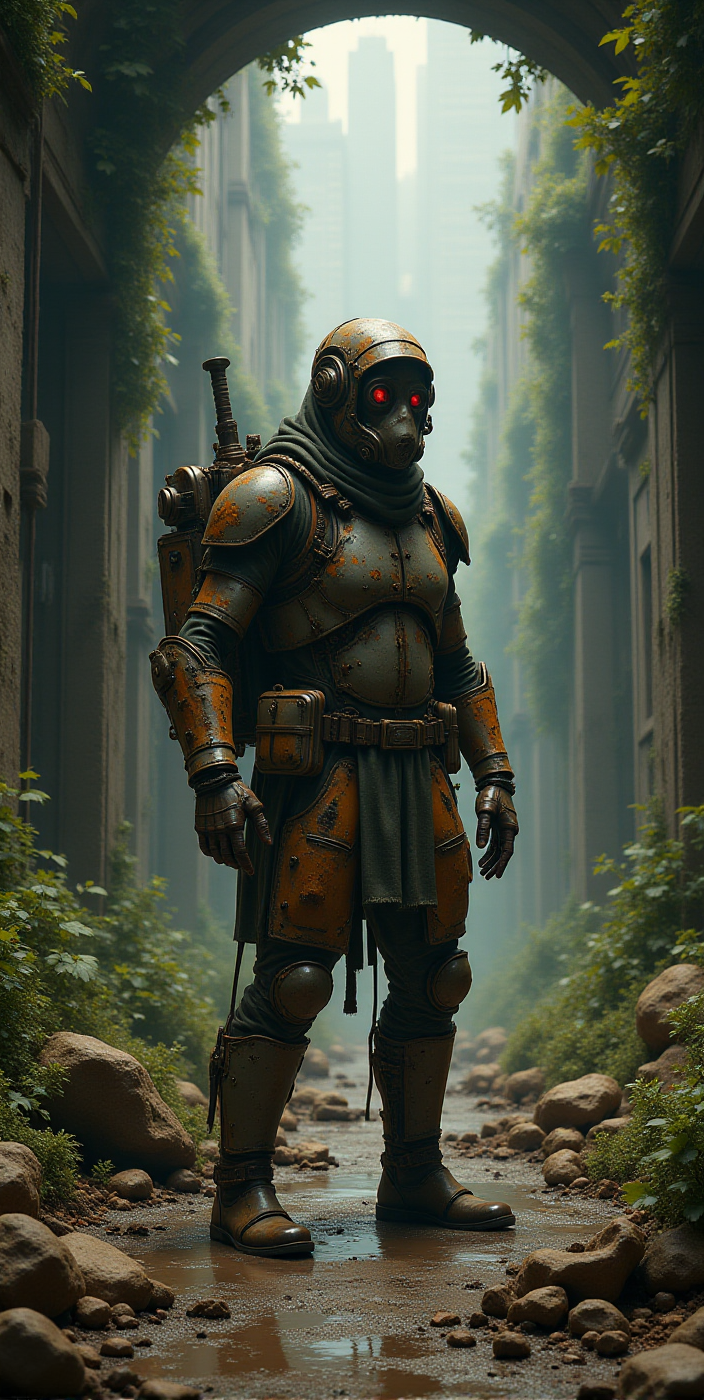
Ensi are the elite agents of Duranki’s orbital Empire, serving Emperor Enlil directly. This ancient Sumerian term for the governor-warriors of Mesopotamia was adopted to symbolise their role as an armed force and pioneers in a lost world. Neither mere soldiers nor mere explorers, Ensi embody Duranki’s will to reclaim an Earth poisoned by the Purple Plague.
Origins and Training Selected from the orbital station’s best personnel, often from military, scientific, or technical castes, Ensi undergo intensive training in combat, survival in toxic environments, field engineering, and psychological manipulation. They receive cybernetic implants for muscular reinforcement, enhanced vision, and neural interfaces, and wear the Augmented Survival Suit, an essential modular piece of equipment available as the Techsuit for infiltration or Warsuit for assault. Their N.E.C.S.T. wrist computer analyses their abilities, the environment, and threats in real time, while the J.A.Q.P.O.T. lets them manipulate probabilities locally.
Ensi are deployed by atmospheric shuttle for precise, high-risk operations:
Ensi are seen as demigods by some Abandoned and oppressors by others. Their technological superiority makes them formidable, but their dependence on orbital resources such as oxygen and spare parts forces them to be cautious. Every mission tests their loyalty: blindly obey Enlil, work with local factions, or begin to question the Empire’s legitimacy in the face of those who survived without it. "Ensi do not descend from the sky to save. They descend to take back what belongs to them."
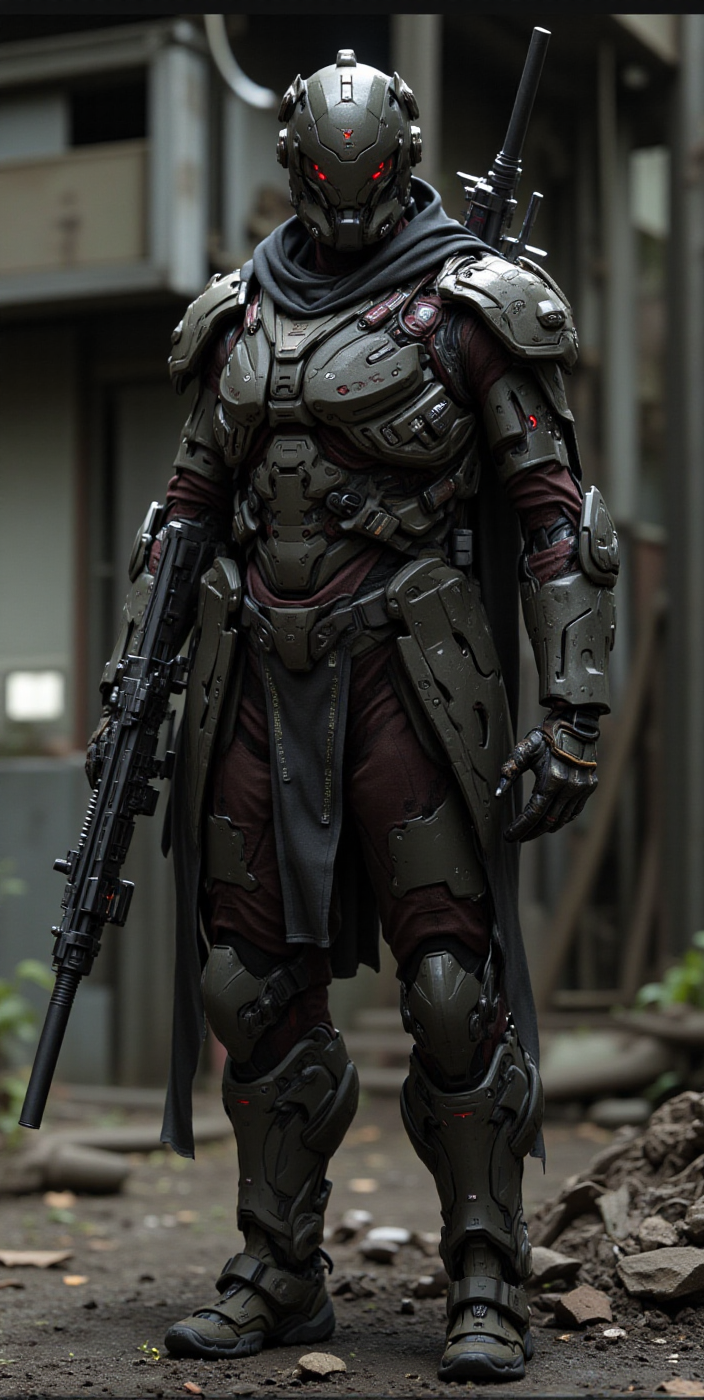
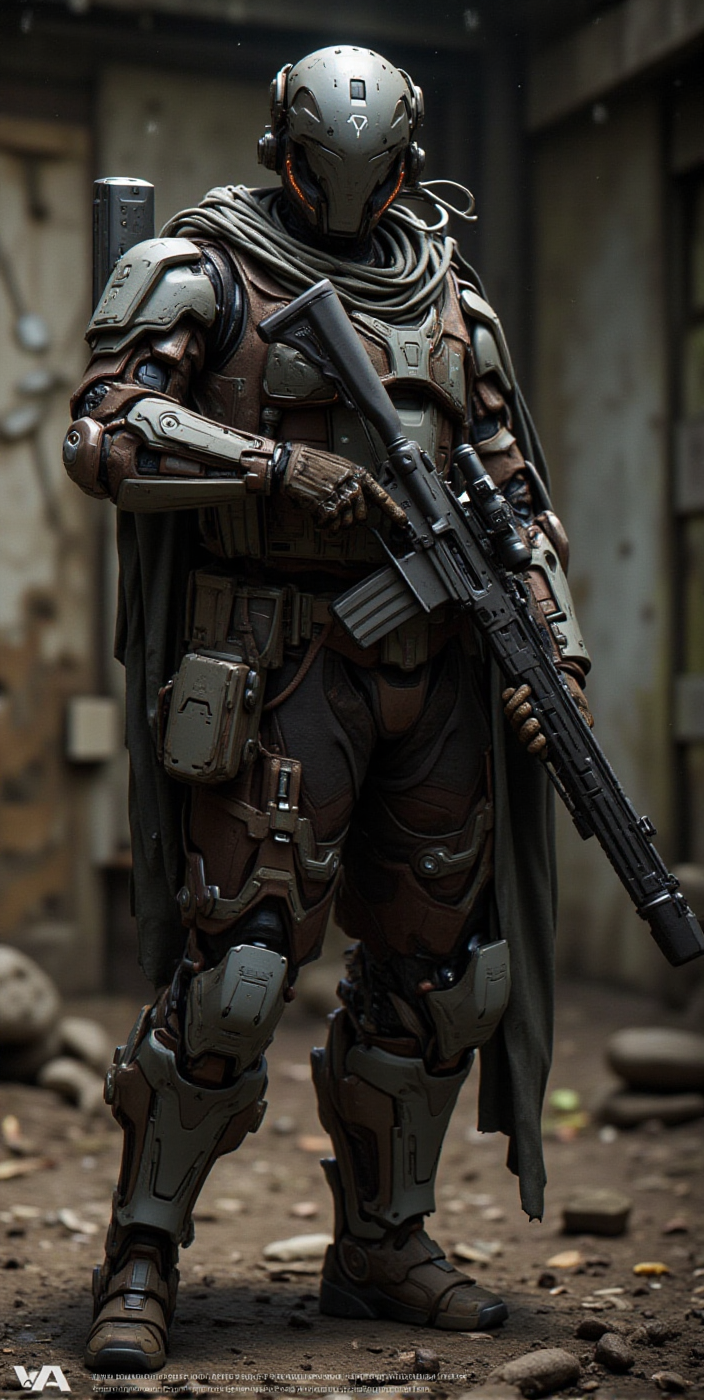
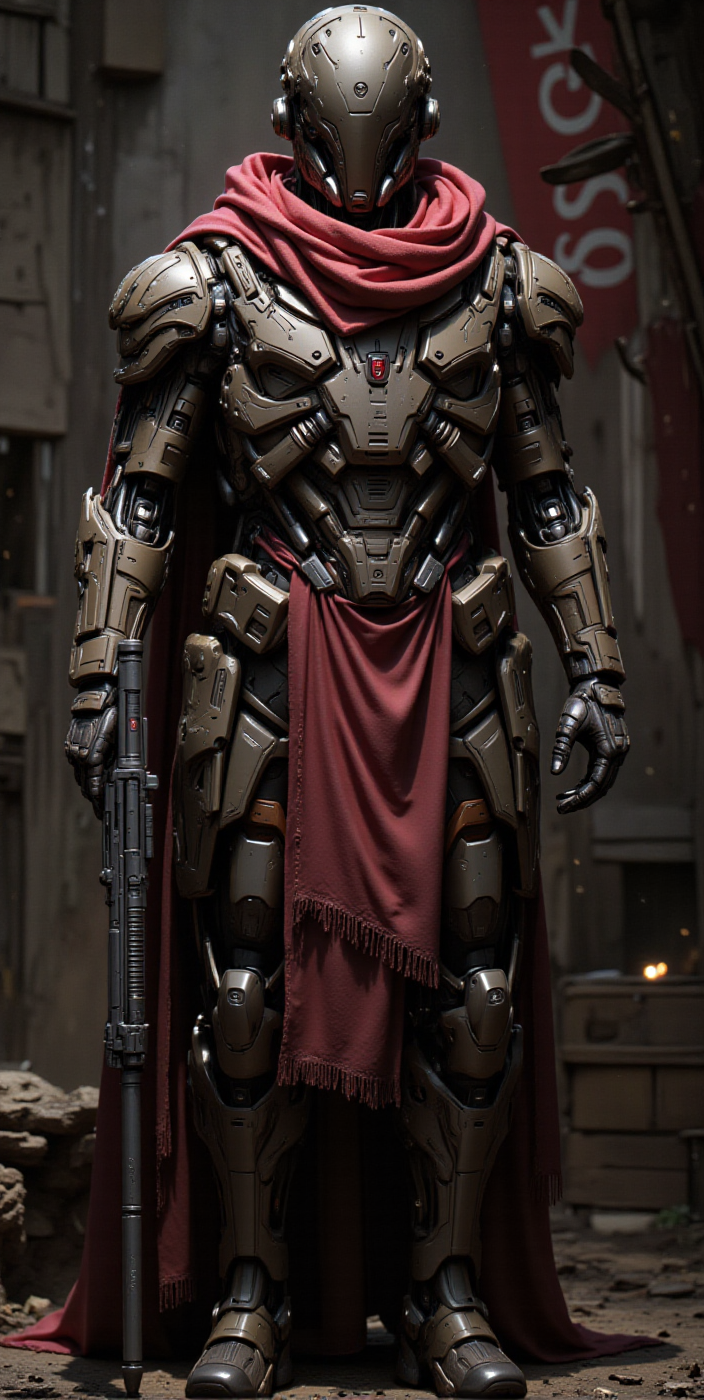
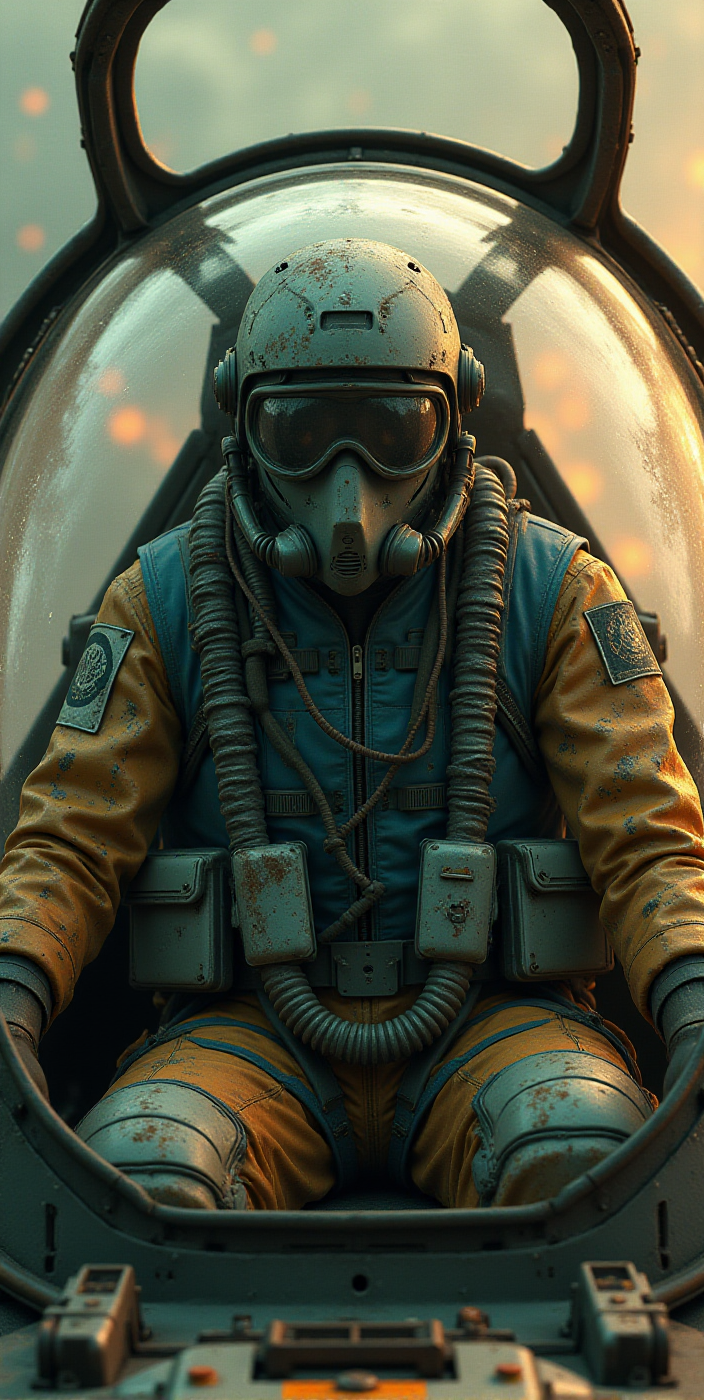
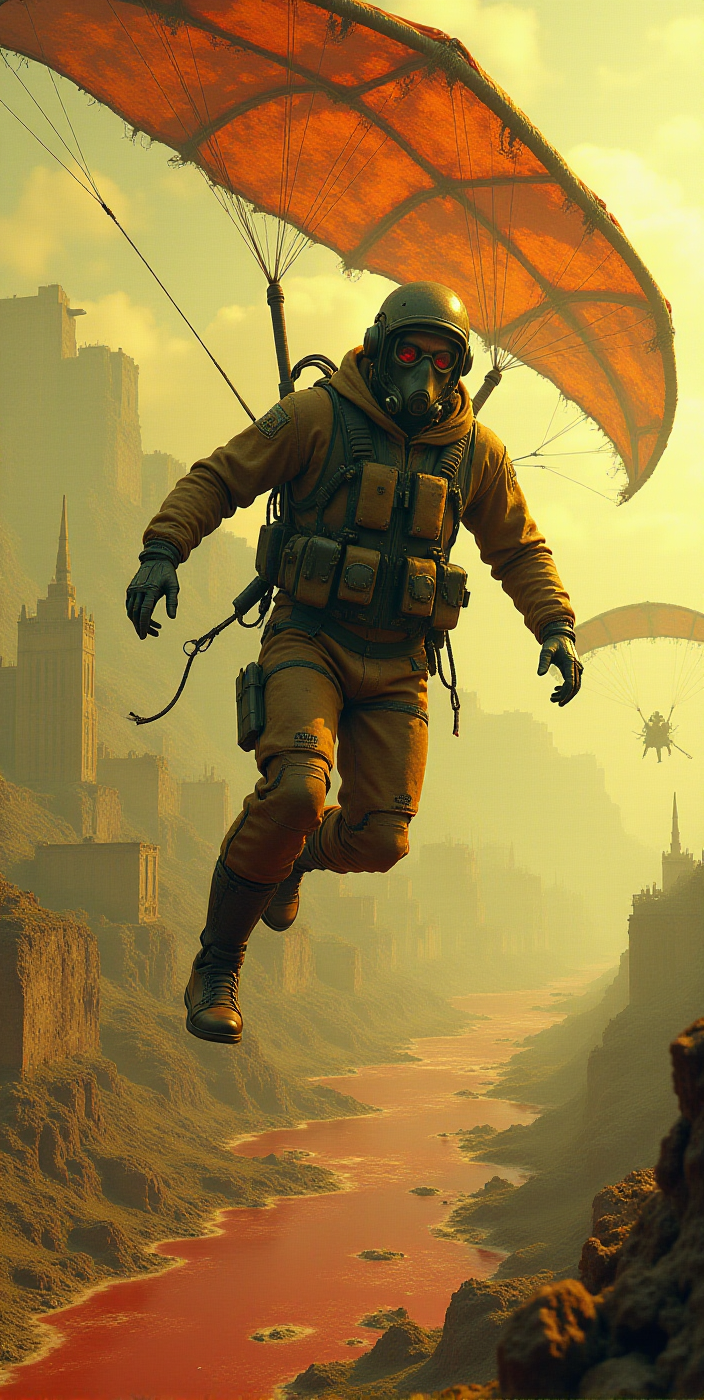
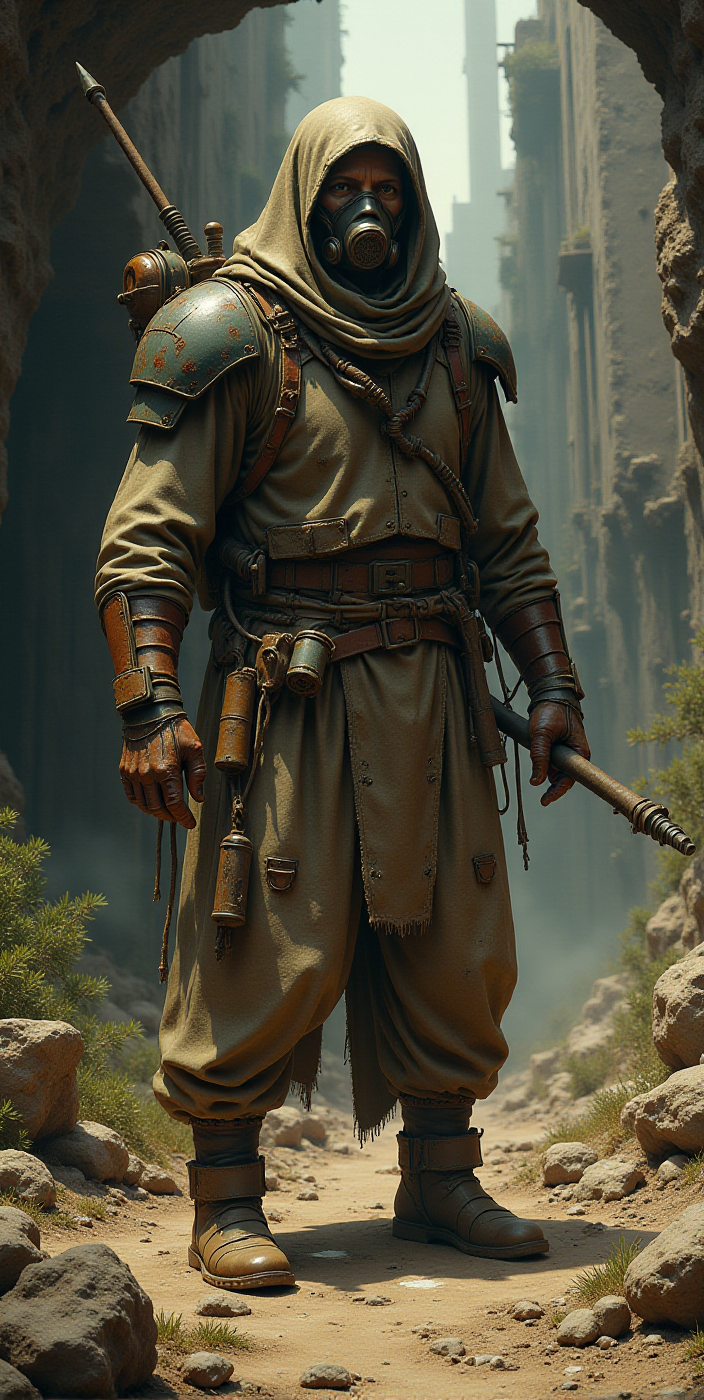
The Vultures rule the skies of a ravaged world from unlikely aerial shelters: old control towers, elevated hangars, and improvised platforms atop collapsed skyscrapers. Refusing to set foot on ground contaminated by the Purple Plague, these nomads of the air loot ruins in lightning raids, recovering food, technology, and precious metals. Armed with crackling radios, sealed gas masks, and wingsuits or paragliders for precise landings, they sometimes deploy reprogrammed Ensi androids as scouts or pack animals in their riskiest operations.
The Scavs, or Underground Rats, have turned government bunkers into self-sufficient underground cities, protected by sealed atmospheres against toxic vapours. Masters of survival engineering, they maintain, optimise, and expand these labyrinthine shelters, recycling every scrap of waste and growing hydroponic crops under neon light. Their mantra: no breach, no infiltration of deadly gas. One mistake would mean collective suffocation for thousands of souls.
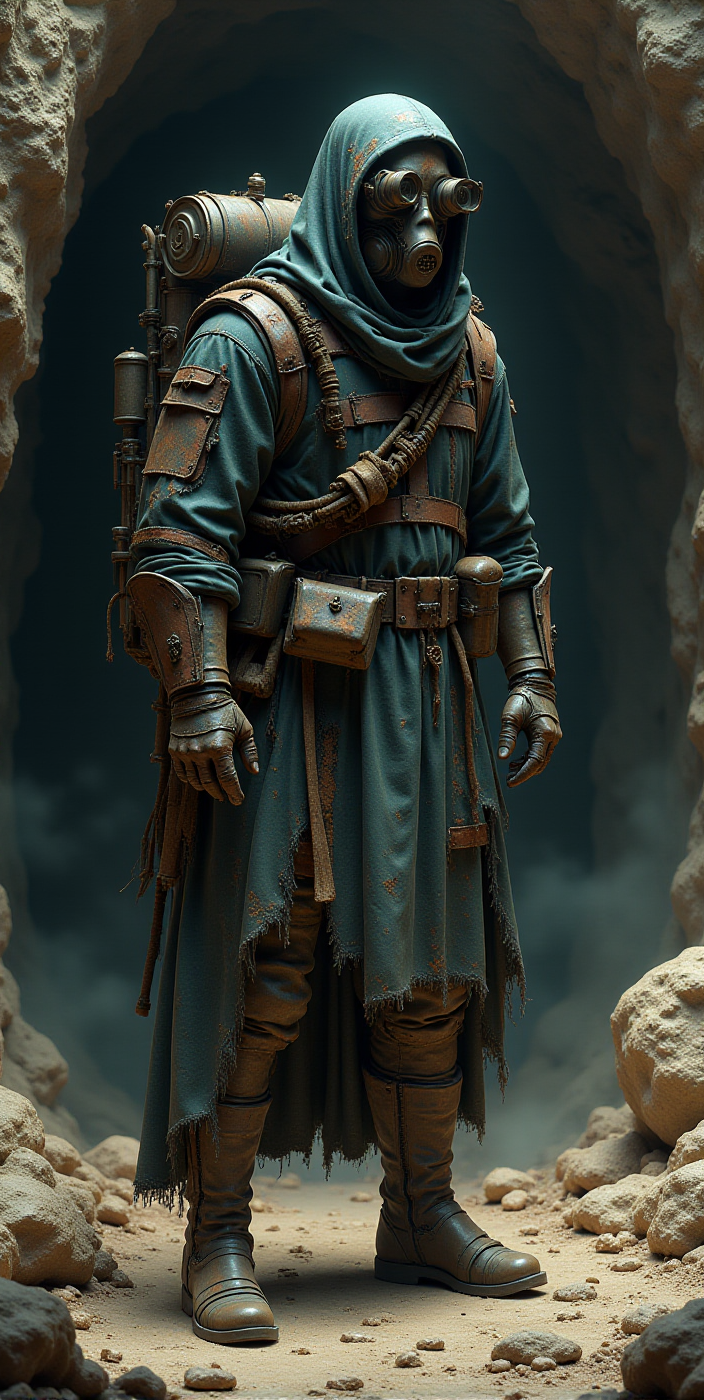
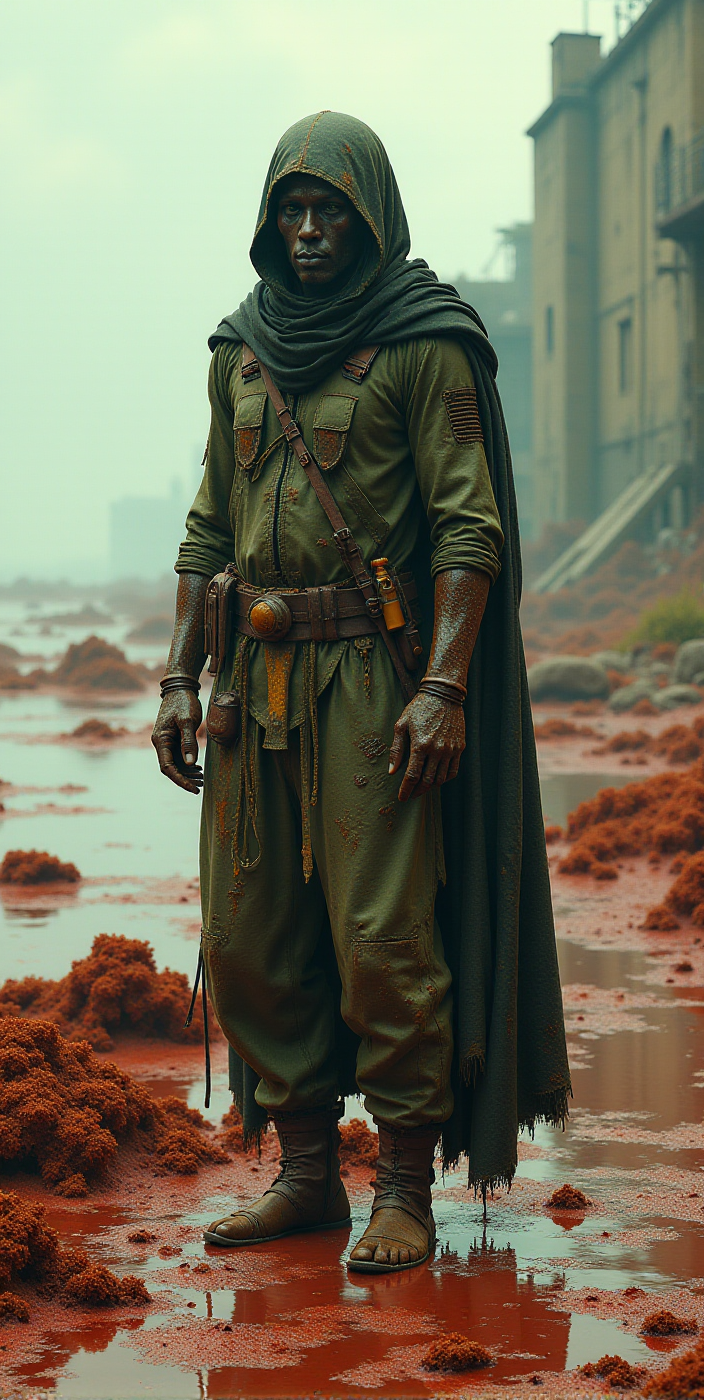
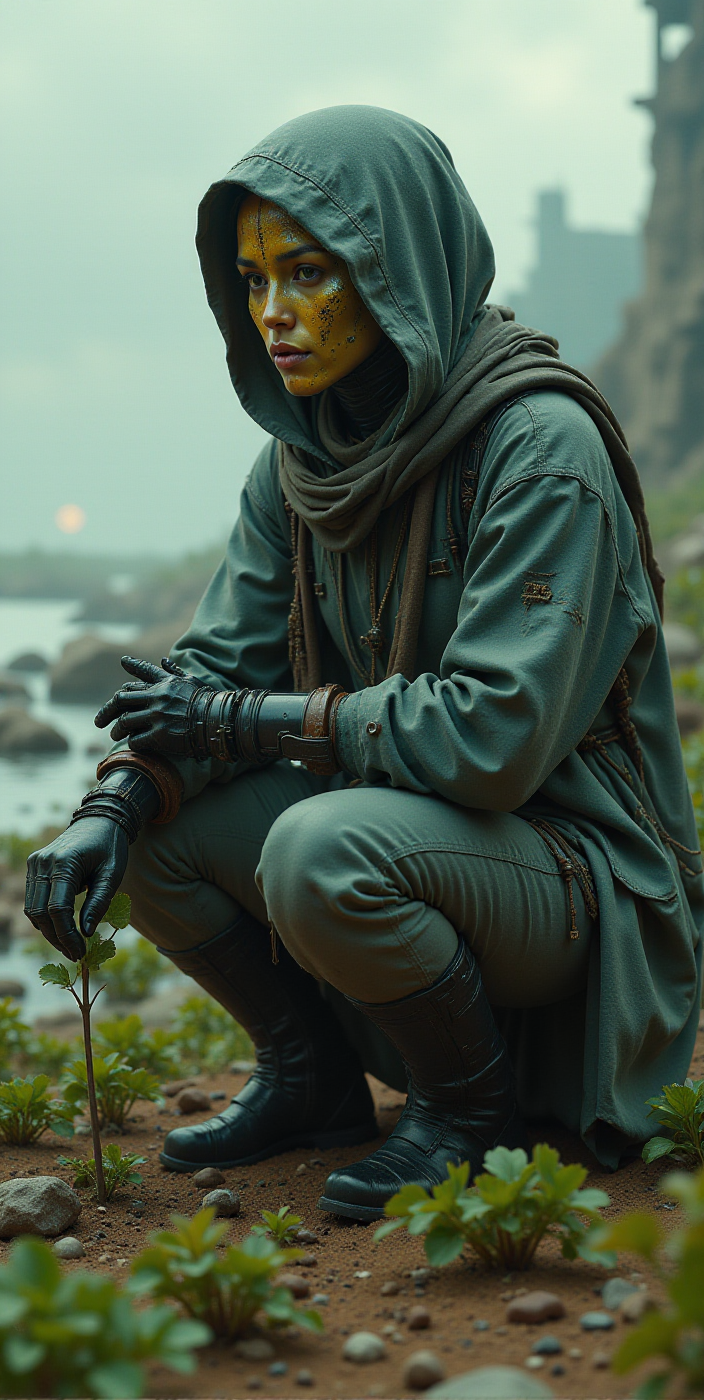
The Mutants, a pejorative name for these “Chosen of Sulfur,” embody the controversial legacy of CRISPR laboratories that tried to terraform humanity for a poisoned world. Inspired by Riftia pachyptila, a giant tube worm from hydrothermal depths that tolerates massive concentrations of hydrogen sulfide through bacterial symbionts, geneticists inserted analogous genes to grant skin and respiratory resistance to H₂S. Their subtle but striking mutations rudimentary gills, iridescent skin with sulfurous reflections, and eyes adapted to toxic darkness make them perfectly suited to the uninhabitable surface. Hostile to the remnants of the old world, they reject any rehabilitation of Earth and see the Ensi as a threat to eradicate.
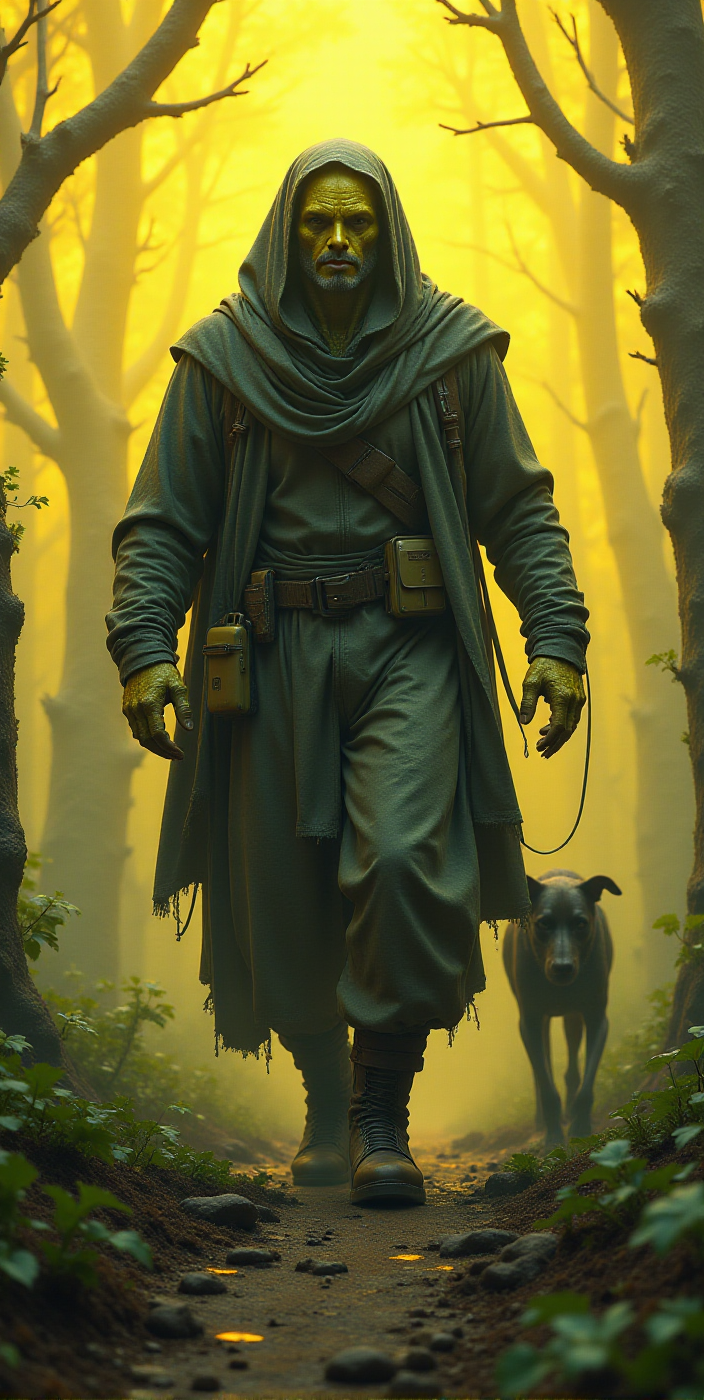
These territorial, distrustful factions yield passage only after tense diplomacy, often punctuated by shows of force or precarious exchanges.